
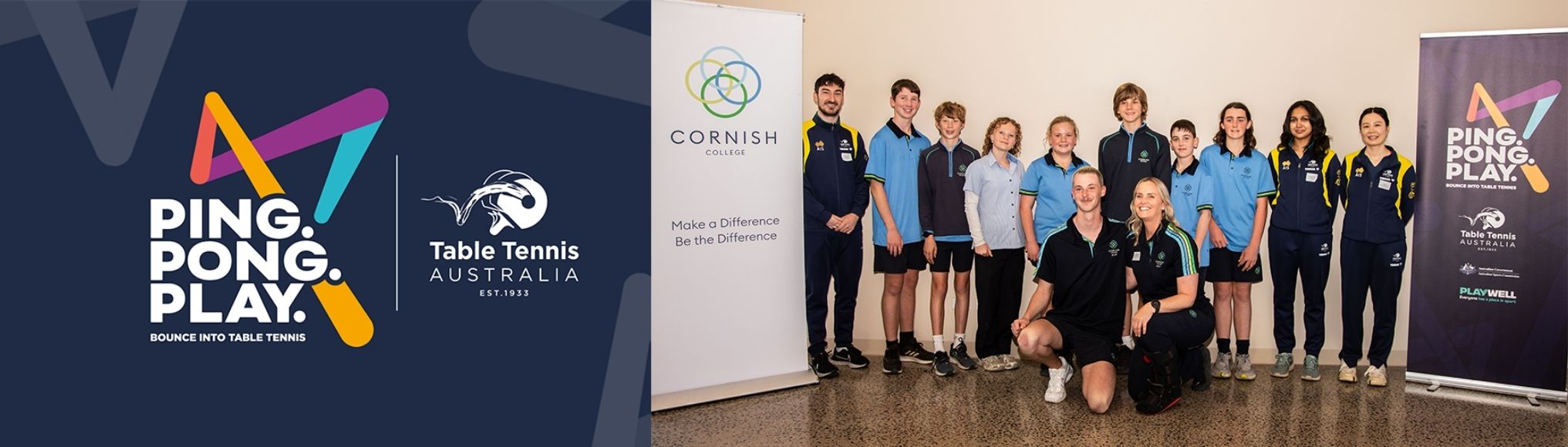
Join the Ping.Pong.Play movement!
Sporting Schools grant applications for Term 4 are now open. Schools across Australia can now apply for Sporting Schools funding
Every educator carries a vision. Sometimes it is clear and inspiring. Sometimes it sits quietly in the background, guiding decisions without ever being written down.
Your vision might be about helping every student feel they belong. Creating engaging and active classrooms.
Or ensuring young people develop the knowledge, skills, and confidence to live healthy, meaningful lives. But beneath all of these aspirations sits a deeper question…
What is the real purpose of education?
If we want to improve education systems, we must first understand what schools are truly for. At its core, education is not simply about delivering knowledge, it is about relationships.
A school is not just a place where curriculum is taught. It is a community built on relationships. The relationships between teachers and students. Between students and their peers. Between schools, families, and the communities they serve. And the quality of those relationships shapes everything that happens inside a school.
When relationships are strong, learning thrives. When relationships are weak or disconnected, even the best curriculum, programs, and policies struggle to succeed.
Why relationships matter
Every student arrives at school with unspoken questions, “Do I belong here?” “Am I safe here?” “Do the adults here believe in me?”. The answers to these questions influence how students learn.
Students learn best when they feel:
These experiences are not created by policy documents or lesson plans. They are built through everyday moments like:
When students feel connected, they develop confidence, and confident students engage in learning.
Relationships set the conditions for learning
In education, we often focus on what students should learn. But just as important is the environment in which learning takes place. Strong relationships create the conditions where learning becomes possible. They build:
Without these conditions, learning becomes difficult. With them, learning accelerates.
Movement, play and connection
One of the most powerful ways schools build relationships is through movement and play.
Physical activity is often seen as a separate part of the curriculum. But in reality, it is one of the richest relational learning environments in education.
Through movement and sport, students learn how to:
Play also creates something that traditional instruction sometimes struggles to achieve, genuine connection.
When students move, solve problems, and play together, they build relationships that extend far beyond the activity itself.
This is why health and physical education plays such an important role in student wellbeing. It supports not only physical development, but also social and emotional growth.
Education is a community effort
Relationships in education extend far beyond the classroom. Students exist within a wider ecosystem that includes:
When these groups work together, students thrive. When they operate in isolation, the system becomes fragmented.
Strong schools actively build partnerships with families and communities, recognising that parents are the primary educators in a child’s life.
When schools and families share purpose, trust grows. And when trust grows, learning improves.
Turning belief into practice
Understanding the importance of relationships is one thing. Building them intentionally is another.
This is where Active Education Australia works alongside educators.
Through professional learning, communities of practice, and practical programs, Active Education Australia supports schools to strengthen relationships through movement, wellbeing, and active learning environments.
The goal is simple:
To help schools create environments where students can move, connect, learn, and thrive.
Building schools where students thrive
When relationships are placed at the centre of education, powerful things happen:
A strong education system does not begin with policy. It begins with people.
Because when education focuses on relationships, something important happens. Schools become places where students don’t just learn content. They learn how to live well with others. And that may be the most important learning of all.
Sporting Schools grant applications for Term 4 are now open. Schools across Australia can now apply for Sporting Schools funding
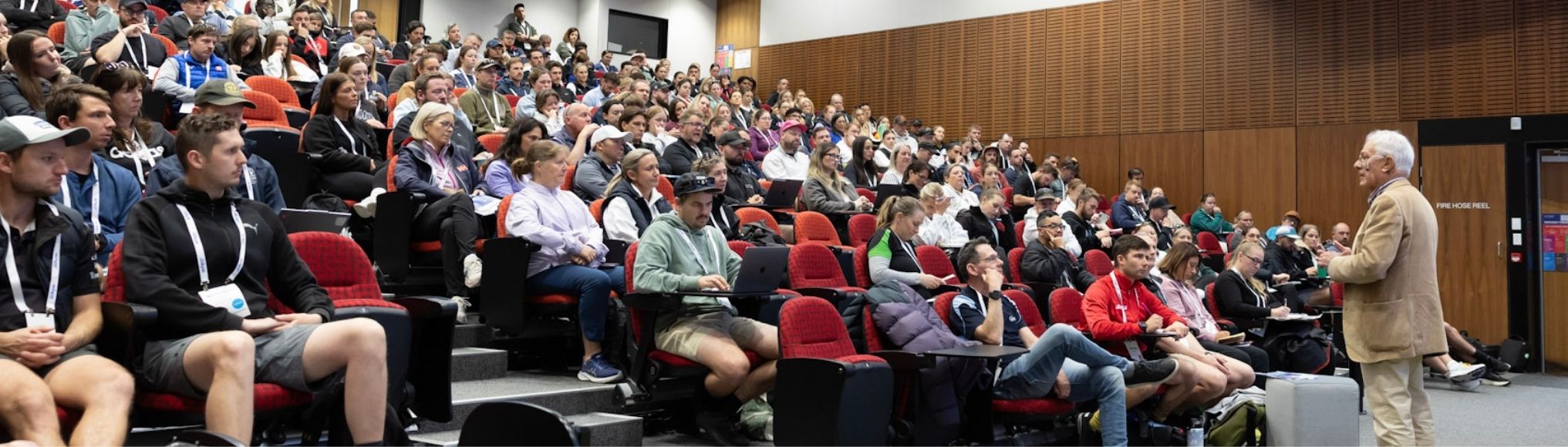
We’re thrilled to reveal the first round of keynote speakers headlining our 2026 MOVE Health and Physical Education (HPE) conferences