

KPA Supportive School Environment

← Back to Active Schools Toolkit

Key Priority Area

Supportive School Environment

School spaces, routines and rules can make it easier for students to be active before, during and after school.

Start with the spaces and people your school already has. Small changes can help more students move, play and feel included.

About a Supportive School Environment

A Supportive School Environment helps students be active before, during and after school. This includes safe and accessible spaces, suitable equipment, clear school rules and strong connections with families and local groups.

Why this matters

School spaces, rules and routines affect how students move and play each day. Safe, welcoming and accessible spaces help more students take part.

Well-designed spaces and suitable equipment can create more opportunities for students to move, play and connect.

Top 3 actions to get started

1

Walk around your school. Identify spaces, equipment and rules that help or limit students’ movement and participation.

2

Ask students, including those who are less active, what would make school spaces more welcoming and easier to use.

3

Use existing spaces in new ways and work with families and local groups to offer more opportunities to be active.

Making it inclusive

Create safe, welcoming and accessible spaces where every student can be active.

  • Design spaces for different abilities, interests and sensory needs   
  • Provide equipment, paths and signs that that students with disability can use  
  • Offer active, social and quiet spaces to support different needs and preferences   
  • Ask students who rarely participate what makes school spaces difficult to use. Use their feedback to make improvements
  • Plan changes with students, including students with disability, to identify and remove barriers to participation

Sustainable practice

Develop a school environment that supports physical activity now and into the future. 

  • Improve existing spaces before creating new ones
  • Plan shade, trees and protection from heat and rain
  • Choose equipment that lasts and is easy to use and maintain
  • Regularly check, repair and share resources where possible
  • Build staff skills in using spaces and equipment to encourage physical activity
  • Involve students and families in planning and caring for spaces

See it in practice

Real stories from Victorian schools

Primary School

Ardeer South Primary School

See how Ardeer South Primary School added a walking track and improved spaces for students to move.

Secondary School
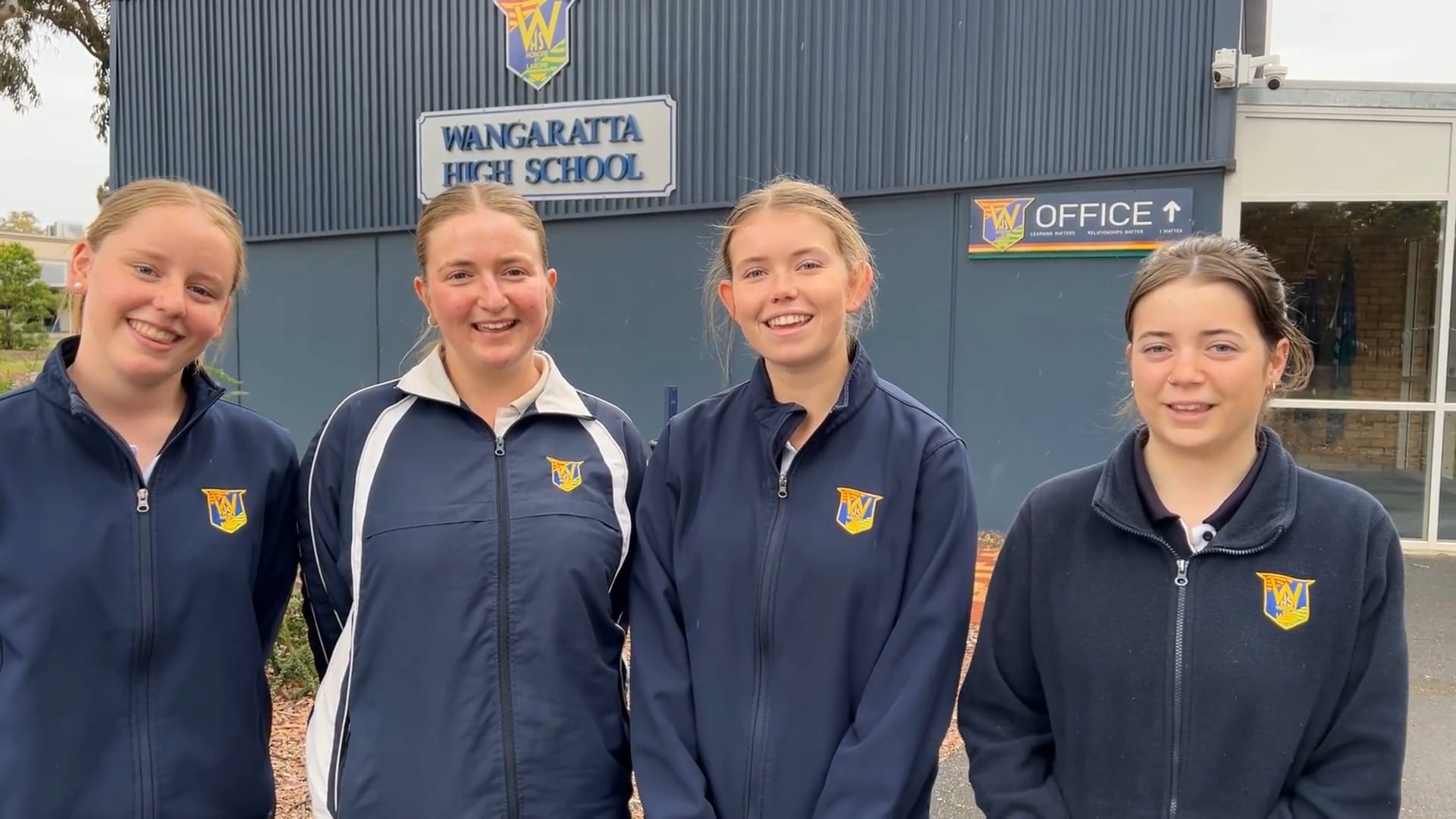
Wangaratta High School

See how Wangaratta High School students helped choose improvements to school spaces.

Specialist School
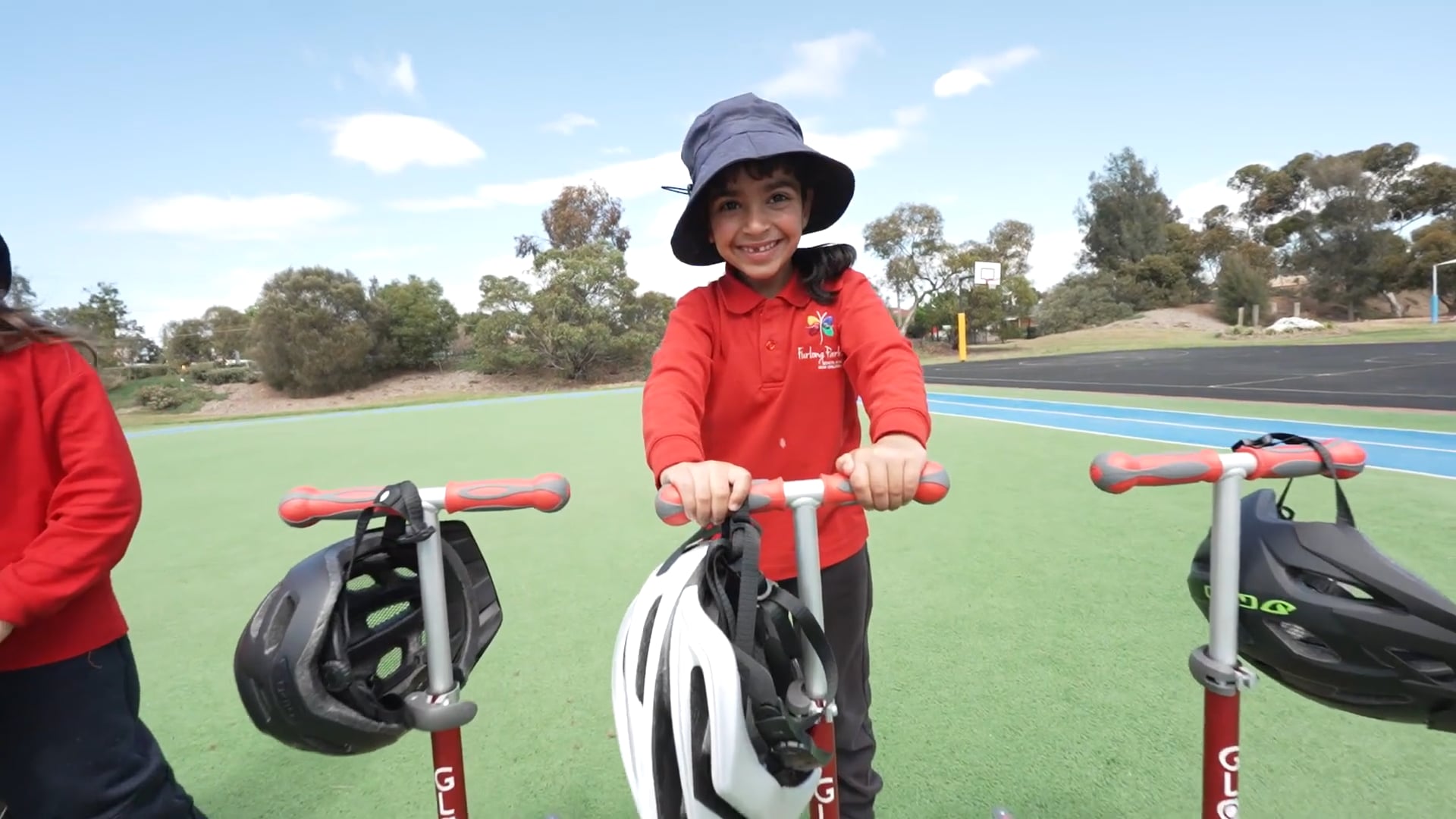
Furlong Park for Deaf Children

See how Furlong Park staff run a morning movement program.

Resources organised by need

Find ideas to make school spaces safe, welcoming and active.
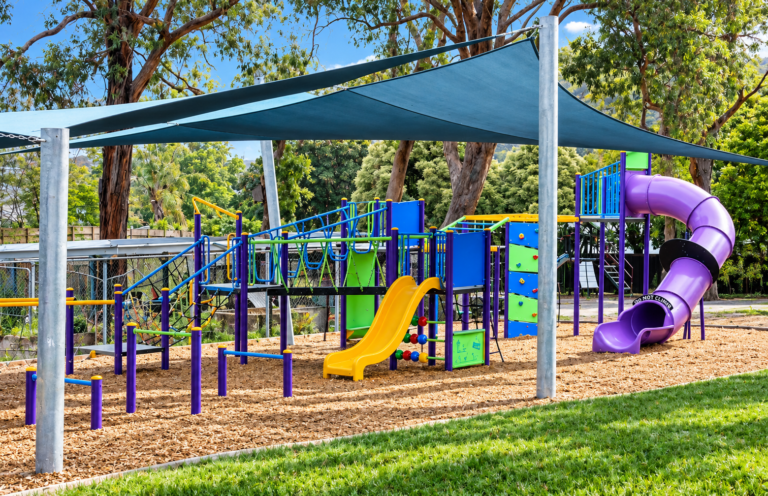
Make better use of your spaces

Find ways to use indoor and outdoor spaces for movement and play.

Featured resources:
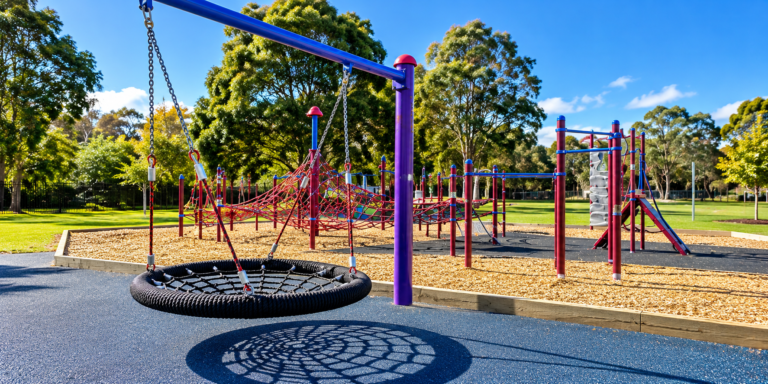
Make spaces easy to use

Find ways to help every student use school play and activity spaces.

Featured resources:
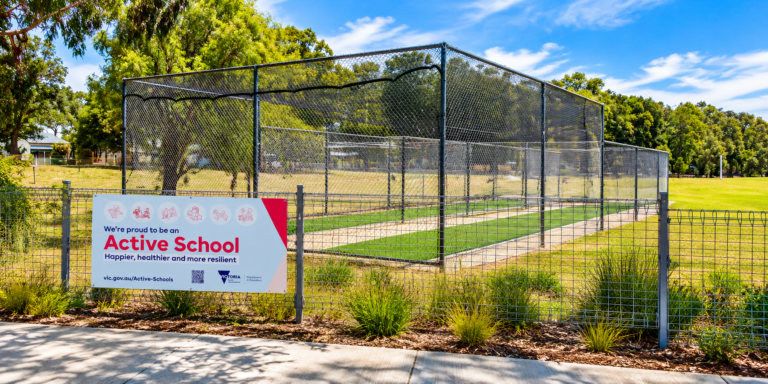
Work with your community

Find ideas for working with local groups and sharing spaces.

Featured resources:
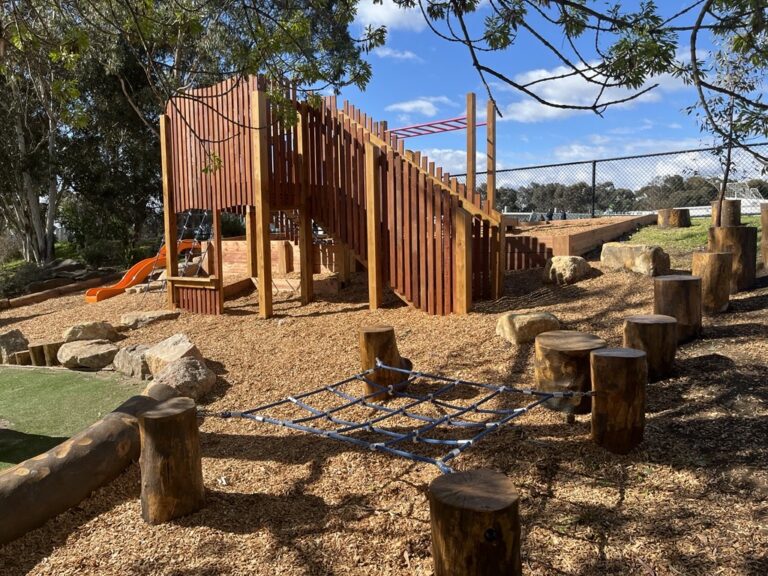
Explore more Supportive School Environment resources

Find school stories and guides for safer, more active school spaces.

School stories and case studies

See how other schools have improved their spaces.

Explore case studies →

Infographics and guides

Find planning tools for active school spaces.

Explore resources →

Choose your next step

Choose what your school needs next, whether you're planning, taking action or looking for more ideas.

Acknowledgements | Copyright | Privacy | Accessibility | Contact 

The Active Schools Toolkit has been developed for the Victorian Department of Education by Active Education Australia.