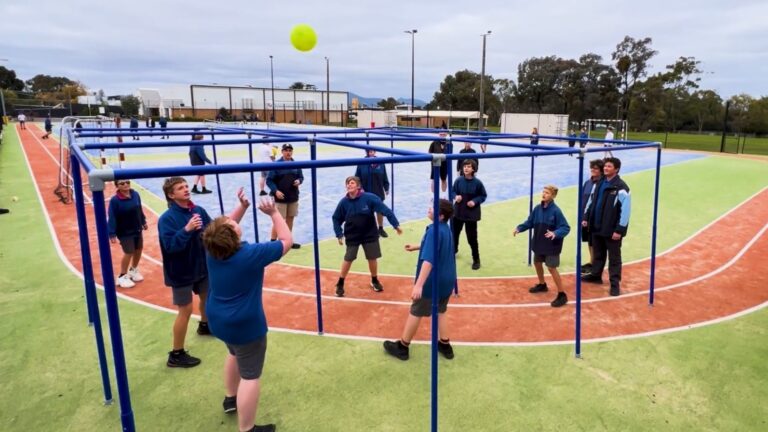

Key Priority Area
Active Recreation
Creating opportunities for students to be active before, during and after school supports engagement, inclusion and overall wellbeing.
Active Recreation is one of the most accessible ways to increase student physical activity, connection and wellbeing, often using the spaces, equipment and people your school already has.
Where does Active Recreation fit in?
Active Recreation includes structured and unstructured physical activity opportunities outside of curriculum time, such as recess, lunch, before and after school programs, incursions, excursions and camps.

Getting started
Planning
Taking action
Monitoring
Sustaining
Why this matters
Active Recreation provides a variety of options for students to move, play and be active throughout the school day. It facilitates greater inclusion and engagement.
Active recreation supports friendships, belonging and positive wellbeing outcomes. It helps students find enjoyable ways to be active.
Top 3 actions to get started
1.
Use student voice to shape recreation opportunities.
2.
Activate underused spaces for active play and recreation.
3.
Offer diverse and inclusive recreation options.
Making it inclusive
Create recreation opportunities that allow every student to participate, connect and enjoy being active.
This might include:
- offering a mix of structured, unstructured, competitive and social activities
- providing choice based on different interests, abilities and confidence levels
- adapting rules, equipment, spaces or group sizes
- creating quiet, shaded or sensory-friendly activity areas
- involving students in planning and leading recreation opportunities
Sustainable practice
Create active recreation opportunities that can be maintained over time and make responsible use of school resources.
This might include:
- activating existing spaces before creating new ones
- repairing, reusing and sharing equipment
- choosing durable, low-maintenance resources
- designing shaded, green and weather-responsive activity areas
- building student leadership to help sustain programs
See it in practice
Real stories from Victorian Schools
Primary School
Ararat College
Discover how Ararat College partnered with Reclink Australia to create more active, inclusive and engaging lunchtime experiences for students.
Secondary School
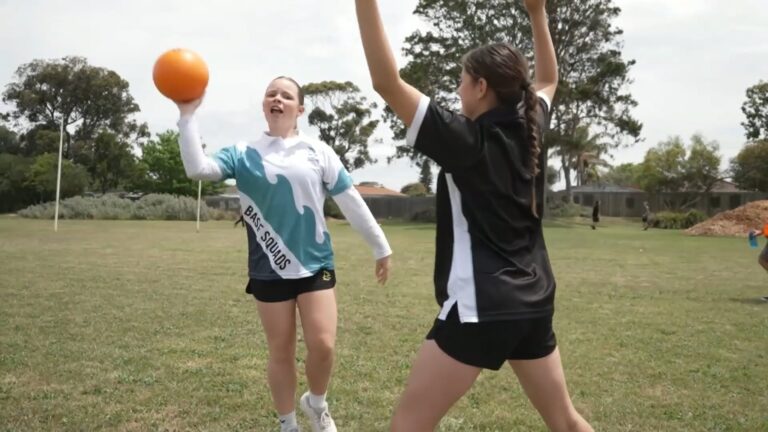
Rosebud Secondary College
Explore how student-led initiatives are creating more opportunities for students to move, connect and belong.
Specialist School
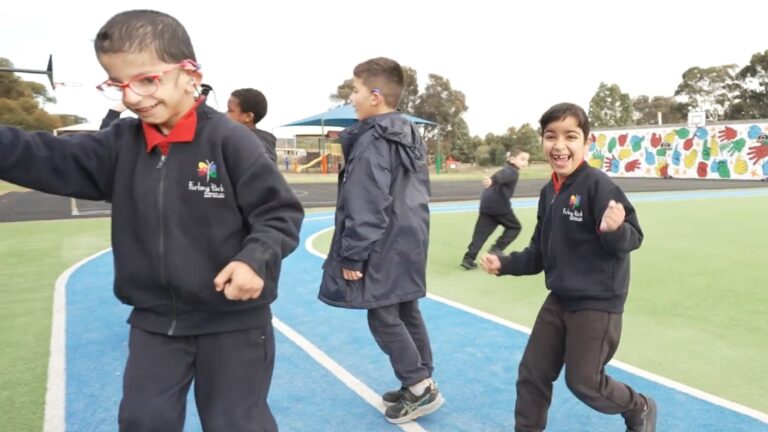
Furlong Park for Deaf Children
See how a daily movement program helps students feel energised, focused and ready to learn each day.
Resources organised by need
Find the right tools and support to help you create more active recreational activities
CREATE GREAT PLAY SPACES
Featured resources:
- Natrue Play - Play Space Guide
- School-News Australia - Designing a nature play space
- Teacher magazine - Challenging and enjoyable playground spaces
BUILD ACTIVE PLAY OPPORTUNITIES
Featured resources:
- Play Australia – Play in Schools Today
- Play Australia – Loose Parts Play Toolkit
- Action for Healthy Kids – Active recess ideas
TAKE LEARNING OUTDOORS
Featured resources:
- Parks Victoria – Outdoor and nature-based resources
- Alpine School
- Snowy River Campus
PLAN SAFE OUTDOOR EXPERIENCES
Featured resources:
- Department of Education – Excursions Policy
- Department of Education – School camps guidance
- Outdoor Education Leadership Campuses
BUILD KNOWLEDGE AND EVIDENCE
Featured resources:
- Western Australian Department of Education – Importance of play-based learning
- Play Australia – Guidance and evidence
- Teacher Magazine – Playground design and participation
Choose your next step
Find the right tools and support to help you create more active recreation opportunities
Audit your current practice
Plan your next step
Explore quick win ideas
Find a partner or program
Measure and track progress
Acknowledgements | Copyright | Privacy | Accessibility | Contact
The Active Schools Toolkit has been developed for the Victorian Department of Education by Active Education Australia.