

Key Priority Area
Creating supportive physical, social and policy environments makes it easier for students to be active before, during and after school.
A Supportive School Environment can increase participation, strengthen wellbeing and build lasting connections with sport, recreation and community opportunities using the spaces, relationships and structures your school already has.
A Supportive School Environment underpins all areas of the Active Schools Framework by creating the inclusive spaces, policies, partnerships and school culture that make movement easier and more accessible, including adaptable facilities, outdoor learning areas, accessible equipment, secure bike and scooter storage, community access to facilities and strong connections with local clubs and providers.



Real stories from Victorian schools
Primary School
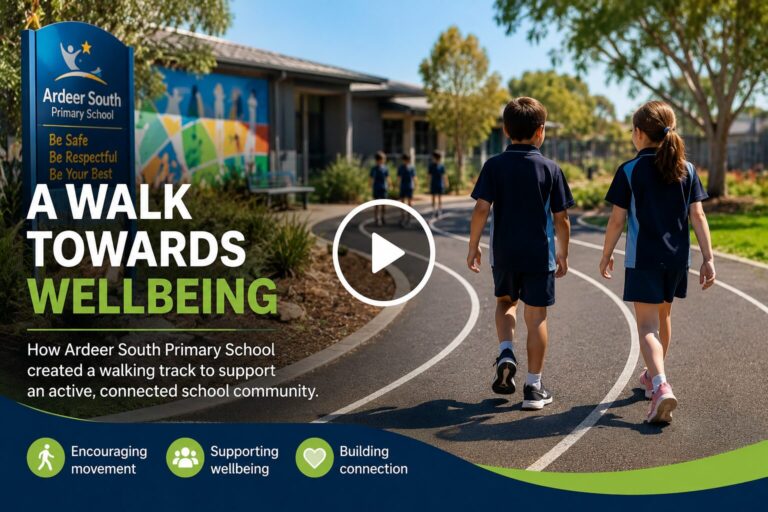
Learn how strategic upgrades to school facilities, including a walking track, have created a supportive school environment where students can thrive, connect and grow.
Secondary School
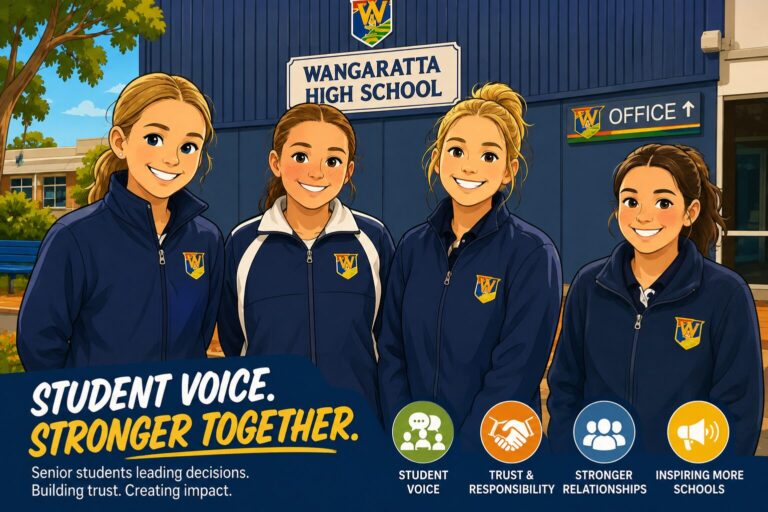
See how senior prefects used student voice to shape meaningful funding decisions, build trust and responsibility, and strengthen relationships between students and staff.
Specialist School
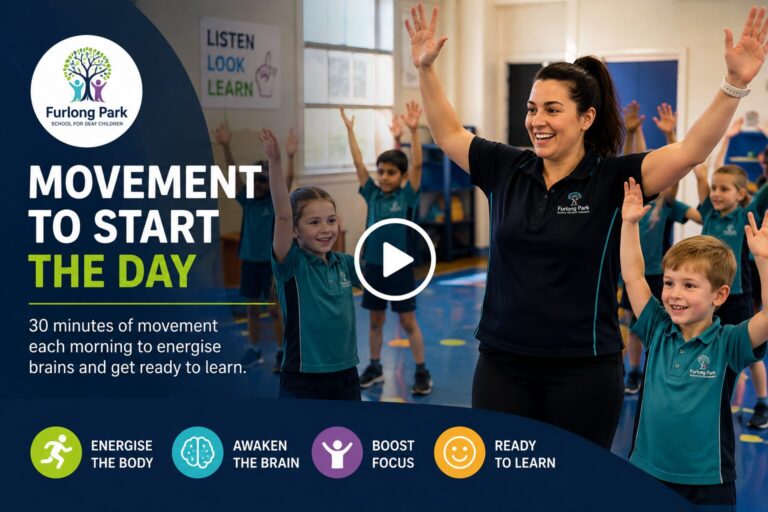
See how Education Support staff lead a 30-minute movement program each morning, helping students feel energised, focused and ready to learn.
Find the right tools and support to help you create a supportive school environment.

Practical tools to help schools make better use of indoor and outdoor spaces to encourage movement, play and participation.
Featured resources:
Guidance to help schools remove barriers and create welcoming spaces where every student can participate.
Featured resources:
Resources to help schools build partnerships, share facilities and create more opportunities for students to be active.
Featured resources:
Guidance to help schools create active environments that are sustainable, climate resilient and designed for long-term use.
Featured resources:
Find the right tools and support to strengthen your school environment.
Acknowledgements | Copyright | Privacy | Accessibility | Contact
The Active Schools Toolkit has been developed for the Victorian Department of Education by Active Education Australia.